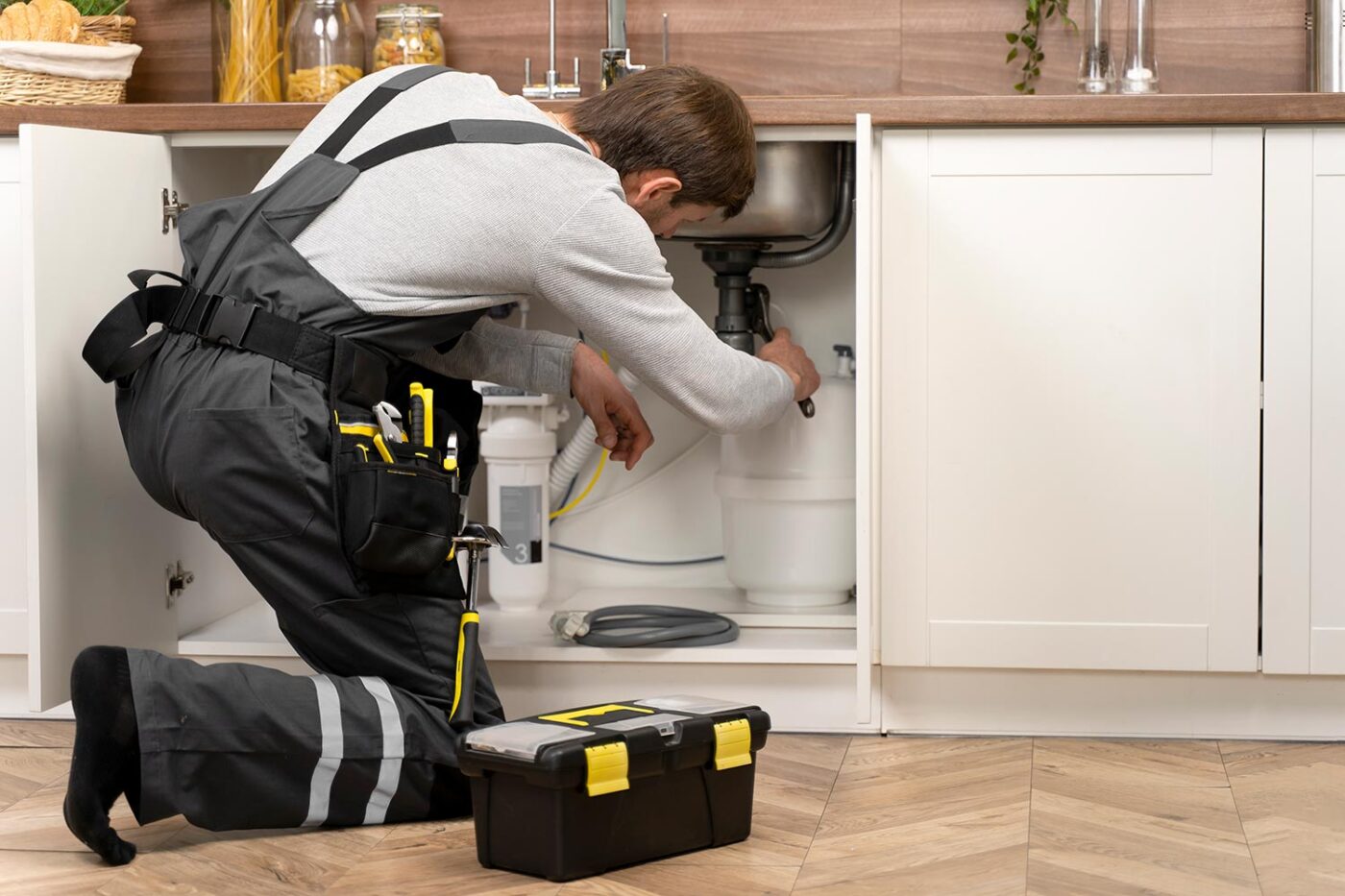
Noticed a sudden spike in your municipal water bill or damp patches on your walls? Learn how to identify concealed leaks and why non-invasive leak detection protects your Johannesburg property.
Opening an unexpectedly high municipal water bill from the City of Johannesburg is every property owner’s nightmare. When your consumption suddenly doubles or triples without an obvious change in household habits, there is almost always a silent culprit: a concealed water leak.
Unlike a dripping tap or an overflowing toilet, hidden leaks occur out of sight—deep beneath driveway paving, within concrete foundations, or behind plastered brickwork. Left unaddressed, they do not just waste thousands of litres of water; they compromise structural foundations, trigger persistent damp problems, and lead to catastrophic repair bills.
If you suspect water is escaping undetected on your property, here is what you need to look for, how to test for it, and what steps to take next.
1. The Immediate Warning Signs of a Hidden Leak
Water follows the path of least resistance. While the pipe itself may be buried, the escaping moisture leaves distinct warning signs across your property:
- Unexplained Water Bill Spikes: A sharp, unexplained jump in your monthly water charges is often the first indicator that pressurized water is escaping continuously.
- Warm or Damp Floor Areas: If you walk barefoot across tiled or screeded floors and notice localized warmth or persistent damp spots, an underground hot water line may be ruptured.
- Audible Hissing Behind Walls: When all taps and appliances are switched off, a faint hissing, trickling, or rushing sound inside walls or under floorboards indicates pressurized water loss.
- Persistent Paint Peeling and Efflorescence: White, chalky powder on interior or exterior brickwork (efflorescence), bubbling paint, or damp skirtings often point to moisture migrating from a leaking supply line or compromised waterproofing envelope.
- Unusually Lush Patches in the Garden: In Johannesburg’s drier months, a localized patch of grass that remains soggy or noticeably greener than the rest of the lawn often sits directly above a cracked main supply line.
2. The 10-Minute Water Meter Test
Before calling in a technician, you can perform a quick diagnostic test to confirm whether water is actively leaking on your side of the municipal boundary:
- Ensure all taps, garden irrigation systems, washing machines, and dishwashers are completely turned off.
- Locate your primary municipal water meter on the pavement or near the boundary wall.
- Observe the small counter gear or digital display on the meter dial:
- If the dial continues to spin or the digital numbers climb, pressurized water is moving past the meter—confirming an active leak between the meter and your home.
- Next, turn off your home’s internal main shut-off valve. If the meter stops spinning, the leak is inside the building. If it keeps spinning, the underground supply pipe running from the boundary to the house is compromised.
3. Why Breaking Walls Is the Wrong First Step
Historically, finding a pipe leak involved guesswork: jackhammering through tiles, digging up landscaped driveways, and knocking holes into plastered walls until the damaged pipe was exposed.
This destructive approach drastically increases total restoration costs and disrupts your home for days. Modern plumbing diagnostics have made exploratory excavation obsolete.
Professional non-invasive leak detection pinpoints the exact breach before a single tool touches your structure:
- Acoustic Ground Microphones: Sensitive listening equipment amplifies the specific frequency of pressurized water escaping from underground copper, galvanized, or HDPE pipes.
- Thermal Imaging Cameras: Infrared technology maps temperature variations across walls and floors, immediately exposing concealed hot-water leaks and hidden moisture pathways behind tiles.
- Tracer Gas Diagnostics: For hairline fractures in complex pipe networks, non-toxic tracer gas is introduced into the line and detected at the surface using specialized electronic sensors.
4. Is It a Plumbing Leak or a Waterproofing Failure?
In areas across Randburg, Sandton, and Greater Johannesburg, properties often struggle with moisture that looks like a plumbing leak but is actually caused by external water ingress.
Cracked parapet walls, failing torch-on membranes on flat roofs, or deteriorating damp-proof courses (DPC) allow rainwater to seep down structural cavities, mimicking a burst internal pipe.
This is why working with a specialist team experienced in both structural waterproofing and licensed plumbing is vital. Determining whether the issue originates from pressurized plumbing lines, sub-surface drainage failure, or structural water ingress ensures the problem is fixed permanently the first time—without unnecessary repeat repairs.
Resolve Property Leaks Before Structural Damage Takes Hold
Water damage compounds quickly. The longer a hidden leak runs, the greater the risk to your brickwork, internal finishes, and structural foundations—not to mention the mounting municipal costs.
At Black and White Plumbing and Waterproofing, our certified technicians utilize precision non-invasive leak detection technology to locate and repair concealed leaks across Johannesburg with minimal disruption to your home.
Suspect a hidden leak on your property? Contact our Malanshof-based team today to arrange a precision on-site inspection.